
What Viksit Bharat 2047 Means for a Ward in Ahmedabad
Viksit Bharat 2047 aims for a developed India by its hundredth year of independence. Here is what that national goal means at ward level in Ahmedabad.
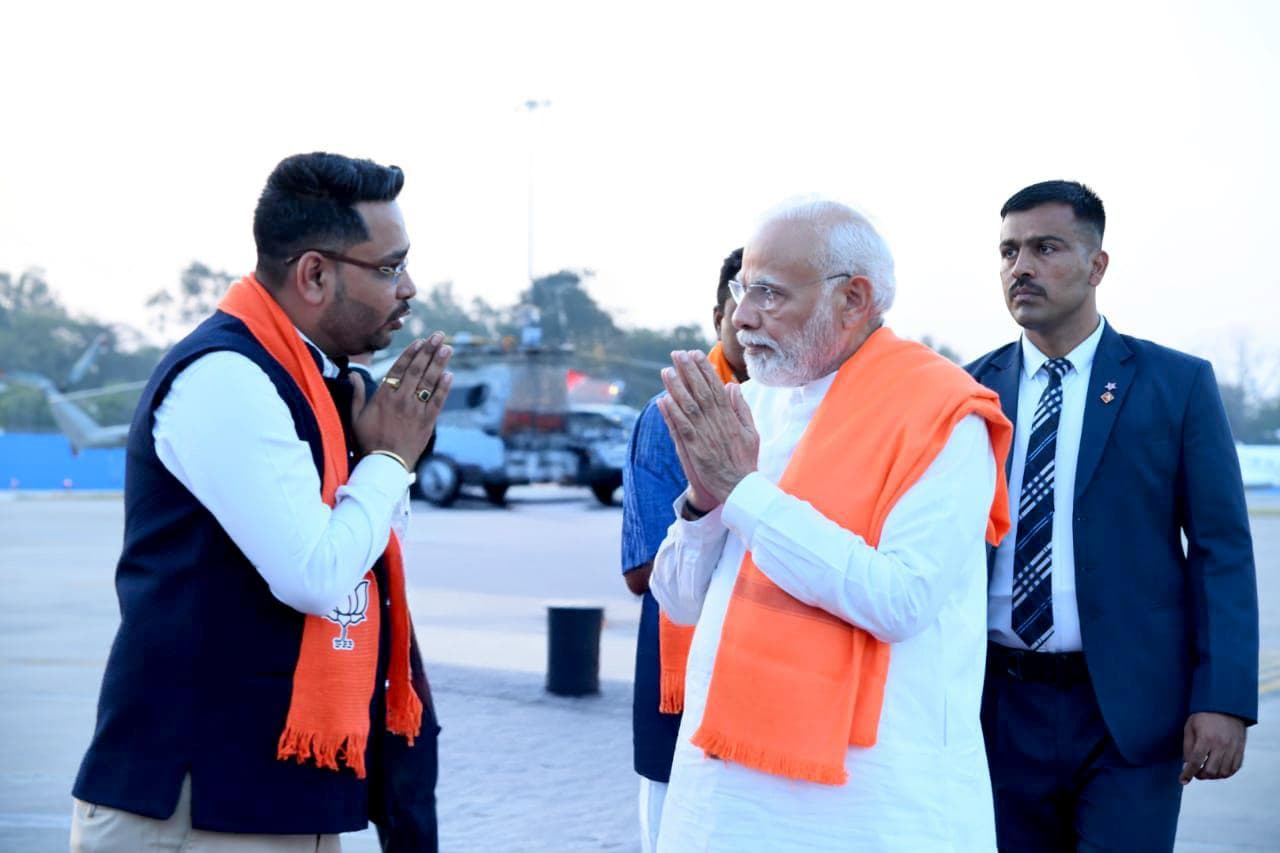
Viksit Bharat 2047 is the national resolve, led by Prime Minister Narendra Modi, to make India a developed nation by 2047, the hundredth year of independence. NITI Aayog's vision work describes a much larger economy and far higher incomes by then. Those are big, national numbers. They only become real when they reach a street, a school, a clinic and a household.
So what does a developed India actually look like at the level of a single ward in Ahmedabad? Here are the areas that matter most, and why every karyakarta has a part to play.
Jobs and skills close to home
A developed India starts with work. For a ward, that means helping young people find skills that match local industry, from manufacturing and logistics to services and technology. It means supporting small traders and shopkeepers, who employ more people than any single factory, and making it easier for first time entrepreneurs to register, borrow and grow.
Technology and automation are often seen as threats to jobs. In Kashyap Jani's experience, they create opportunities when people are trained to use them. A young person who can operate modern equipment, manage data or repair smart systems is far more employable than one who cannot. Skill centres, apprenticeships and links between colleges and local businesses are where that change begins.
Infrastructure that works every day
Development is felt most in daily life. Roads that do not flood every monsoon. Reliable water supply and power. Clean public spaces where families can walk in the evening and children can play safely. Good drainage, street lighting and public transport that connects homes to workplaces.
Good infrastructure is also resilient infrastructure, designed to keep working when floods, heatwaves or other disasters strike. That theme runs through his work on disaster preparedness, described in his Forbes India feature. A ward that plans for its worst day serves its people better on every other day.
Health and education as foundations
No country becomes developed without healthy, educated citizens. At ward level, that means making sure families know about and can use national schemes for healthcare, affordable medicines and insurance. It means schools that are safe, well equipped and ready for the digital age, and early help for children who fall behind.
Digital public infrastructure has changed what is possible. Bank accounts, digital payments, health records and access to government services now reach families who were once left out. The task at ward level is to make sure nobody is left behind by that change, especially elders and first time users, by helping them get documents in order, link accounts and use services with confidence.
Clean, green and liveable
A developed city is one people want to live in. Clean streets, working waste collection, trees and green spaces, and protection from summer heat all shape the quality of daily life. Small local efforts, from tree planting drives to cleanliness campaigns with residents, add up when they are sustained year after year.
Youth, sport and science
A developed nation is a healthy and curious one. That is why his other priorities are youth in sports and inspiring young scientists through India's space programme. Sport builds discipline and confidence. Science builds the engineers and researchers India will need to compete with the world.
Every karyakarta has a part
Viksit Bharat will not be delivered from Delhi alone. It will be built ward by ward, by citizens and karyakartas who turn a national goal into local action. That means helping families access schemes they are entitled to, flagging problems early, organising residents, and holding everyone, including ourselves, to high standards.
It also means patience. A goal set for 2047 is a goal for a generation. The children in a ward's schools today will be the professionals, parents and leaders of a developed India. What we build for them now is what they will inherit.
#WeWillDoIt
Read about how his public work began in Ward to Nation, and see his key priorities on the home page.